
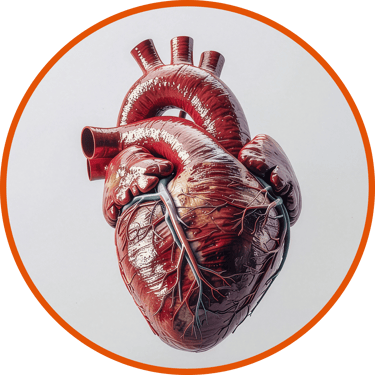
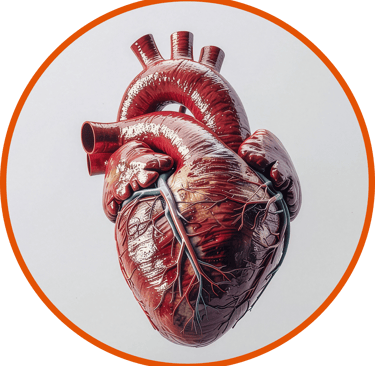
3.1
Heart Structure and Blood Flow
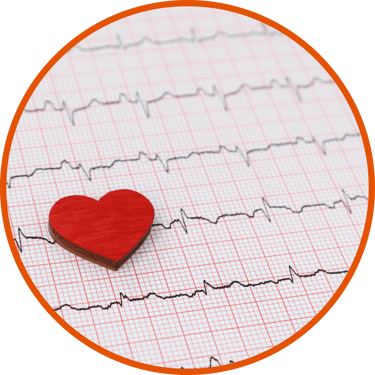
3.2
Conduction System and Cardiac Cycle
3.4
Venus Return and Vascular Shunt
UNIT 3: CARDIOVASCULAR SYSTEM
The cardiovascular system is the body’s primary transport network, responsible for delivering oxygen and nutrients to working muscles and removing metabolic waste products like carbon dioxide. Comprising the heart, blood vessels, and blood, this system undergoes significant adaptations during exercise to meet the increased energetic demands of physical activity. Understanding its structure and function requires analysing how blood is pumped through distinct circulatory loops and how the cardiac cycle regulates this flow.
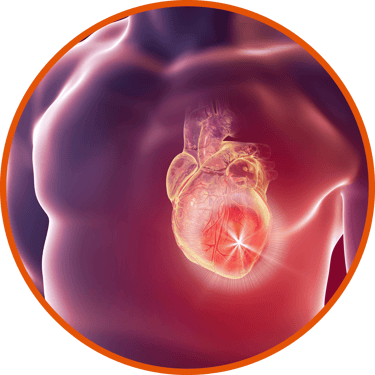
Structurally, the cardiovascular system operates as a closed, double-circulatory loop, meaning blood passes through the heart twice for every complete circuit of the body. The pulmonary circulation loop transports deoxygenated blood from the right side of the heart to the lungs, where it picks up oxygen and releases carbon dioxide, before returning it to the left side of the heart. From there, the systemic circulation loop pumps this freshly oxygenated blood out to the rest of the body, delivering vital fuels to contracting skeletal muscles before returning the depleted blood to the right atrium to begin the process again.
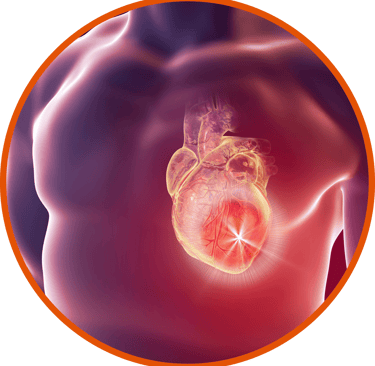
The driving force behind this movement is the cardiac cycle, the sequence of events that occur during a single heartbeat. This cycle is split into two main phases: diastole, where the heart muscles relax and the chambers fill with blood, and systole, where the heart contracts to forcefully eject blood into the arteries. During exercise, the cardiac cycle speeds up dramatically, increasing cardiac output—the total volume of blood pumped by the heart per minute. This elevation is achieved by raising both heart rate (beats per minute) and stroke volume (the volume of blood pumped per contraction), ensuring that a steady, high-volume supply of oxygenated blood reaches the working muscles to sustain athletic performance.