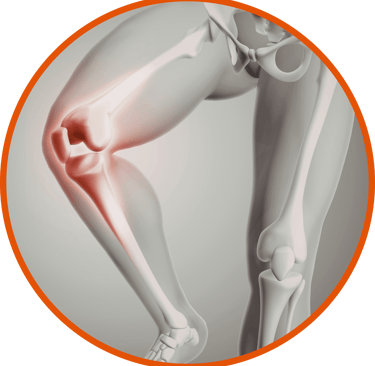
Topic 1: Joints, Movements and Muscles
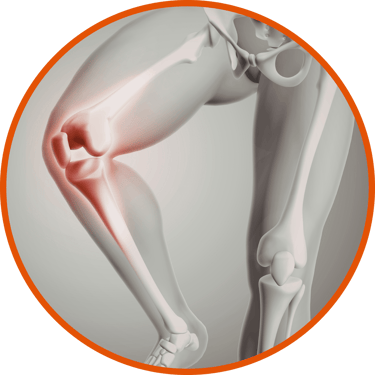
In this topic, you need to understand how the body produces movement during sport and physical activity. You should be able to identify the main synovial joints, including the shoulder, elbow, wrist, hip, knee and ankle, and explain how these joints allow different types of movement. You also need to know the key movement terms, such as flexion, extension, abduction, adduction, rotation, pronation, supination, dorsiflexion and plantar flexion, and be able to apply them to real sporting examples.
You also need to know the major muscles involved in movement and understand the roles they play. This includes knowing how muscles work as agonists, antagonists and fixators to create controlled movement. You should be able to explain the different types of muscle contraction, including concentric, eccentric and isometric contractions, and recognise when these occur during sporting actions.
Finally, you need to understand that not all muscles work in the same way. Different muscle fibre types are suited to different types of activity, from fast, powerful movements to slower, endurance-based performance. By the end of this topic, you should be able to analyse a sporting movement using correct anatomical language and explain how joints, muscles and contractions work together to produce effective performance.
1.1
Joints & Movements
1.2
Functions of Muscles
1.3
Types of Muscle Contraction