
Theories of learning offer essential frameworks for understanding how athletes acquire, process, and retain motor skills. In sports science and coaching, these models help educators structure training environments to optimize practice and improve performance.
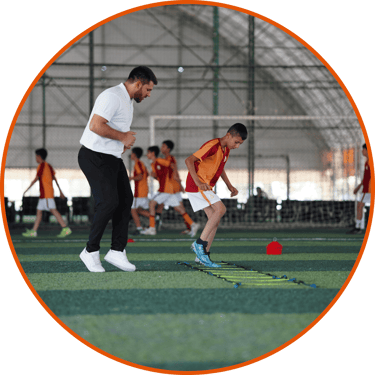
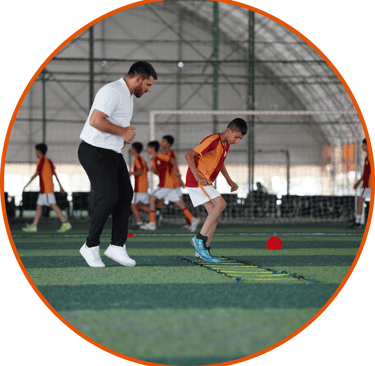
The behaviorist theory of learning focuses on observable behaviors and suggests that learning is a process of conditioning through stimulus and response. In a sporting context, this is often driven by operant conditioning, where an athlete's actions are shaped by reinforcement and punishment. Positive reinforcement, such as a coach's praise or a successful result, strengthens the connection between the stimulus (the game situation) and the correct response (the skill executed). Negative reinforcement or punishment helps eliminate faulty techniques, making this approach highly effective for developing automatic, habitual responses in closed, predictable environments.
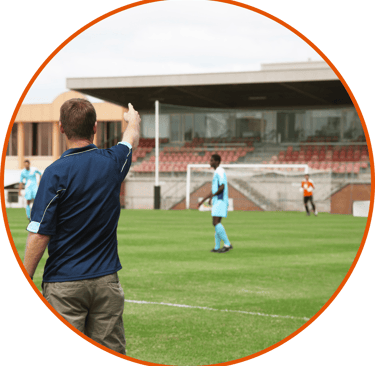
In contrast, the cognitive theory of learning emphasizes the mental processes behind skill acquisition, positioning the athlete as an active problem-solver rather than a passive responder. This theory suggests that learners process sensory information, relate it to past experiences stored in memory, and make conscious decisions to solve a sporting problem. Rather than relying on repetitive, rote practice, a cognitive approach involves insight and understanding, often referred to as "whole learning." For instance, a soccer player learns to read the spacing of defenders, drawing on their tactical understanding to invent a creative passing solution on the spot, making this theory highly relevant for open, unpredictable sports environments.
6.3
Schmidt's schema theory





THEORIES OF LEARNING
6.1
Motor Programmes & Subroutines